
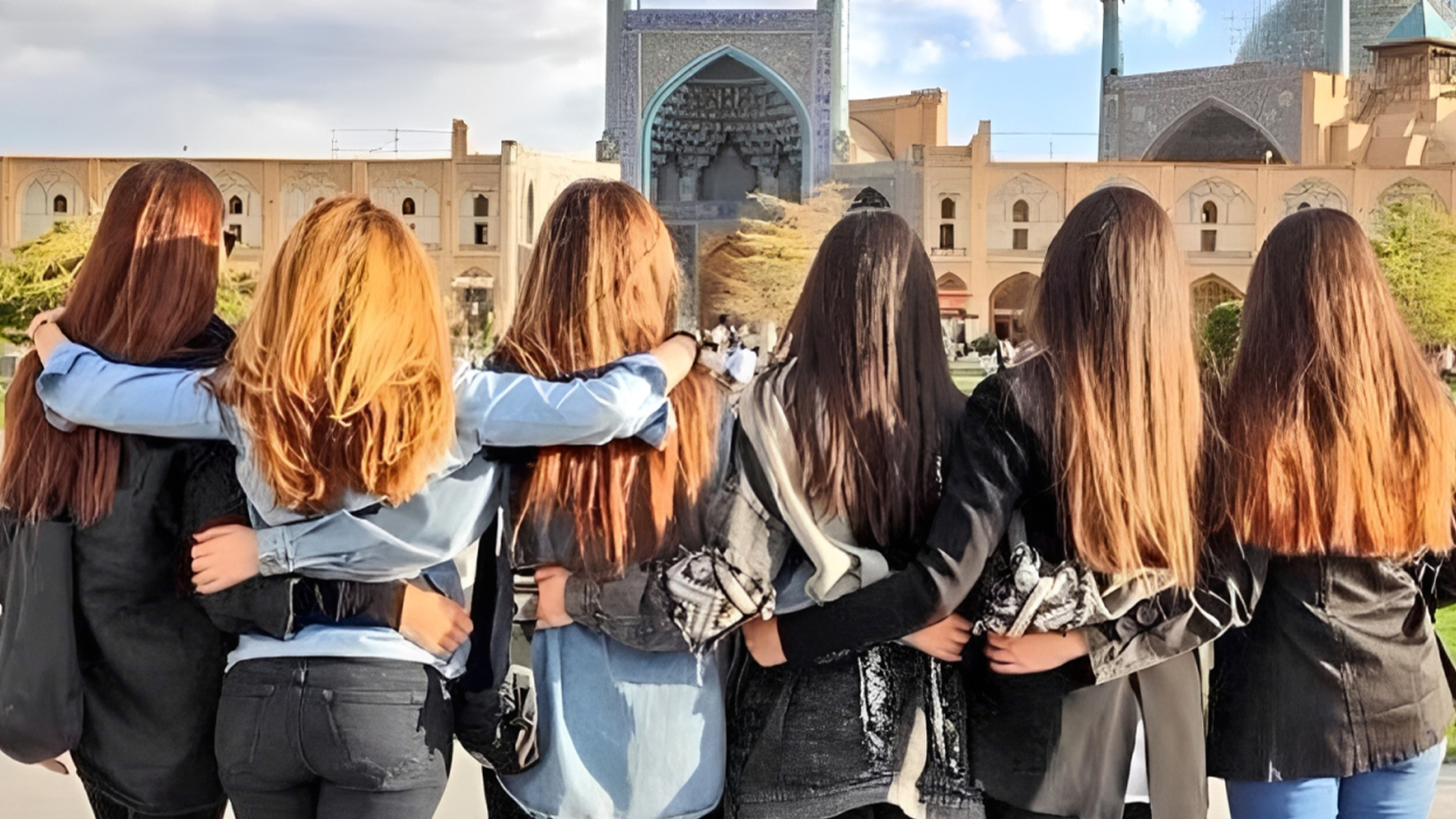
The war between the United States, Israel, and Iran has been devastating for the Iranian people. Some 3,300 people have lost their lives since the start of the conflict, and an additional 33,000 have suffered serious injury. Many others have lost their homes, livelihood, income, and sense of security. No moment captures the horror of war more fully than the destruction and killing of 150 people, mostly children, at the Minab Primary school at the start of the war – a tragedy for which there continues to be no rationalization or accountability.
In light of this, the signing of the Islamabad Memorandum of Understanding (MOU) and the resumption of diplomatic talks to end the war is a beneficial reprieve. But even if it is successful, it will bring no relief to the Iranian people in terms of human rights. As the international community moves forward, it must ensure all engagement with Iran focuses primarily on four demands:
- Accountability for the January 2026 massacre;
- An immediate moratorium on the death penalty;
- The immediate release of political prisoners;
- An immediate end to restrictions on internet access.
Regional Peace Cannot be Secured Without Domestic Peace
Lasting peace can only come from a process that not only ends conflict between Iran and its neighbors, but between the country’s leadership and its people.
We cannot forget the context that preceded this war. Prior to the conflict's start on February 28th, 2026, millions of Iranians had courageously taken to the streets to protest the spiraling economic crises threatening their very livelihoods. As these nationwide protests reached their apex on January 8th and 9th, the Iranian government responded with unprecedented lethal violence. According to reports from HRANA, a minimum of 7,000 people were killed during the protests.
Since then, the Islamic Republic’s war on its own people has only intensified. Amnesty International estimates that some 6,000 people – “including protesters, journalists, lawyers, human rights defenders, dissidents, and members of ethnic and religious minorities,” have been arrested since February 28th. Executions have also surged to levels not seen since the 80s, with at least 370 executions having occurred in the first 6 months of 2026 alone. Worse, it is also reasonable to assume these numbers are higher, as limited internet access has made it increasingly difficult to verify information coming out of Iran.
In light of this, any engagement that ignores the human rights of the Iranian people – who overwhelmingly view the Islamic Republic as illegitimate – should not be accepted by the international community. Stabilizing the Islamic Republic financially while ignoring its atrocities at home will ultimately set the stage for renewed cycles of violence both within Iran and in the wider Middle East.
Human Rights as a Litmus Test for Engagement
Fundamentally, treaty compliance is about transparency and the rule of law – two areas on which the Islamic Republic has an abhorrent track record. Iran's Islamic Republic government actively maintains a total digital surveillance state, orchestrates mass internet blackouts to conceal the slaughter of its own citizens, and operates entirely in the shadows.
At United for Iran, our years of tracking and advocating for civil liberties, verifying judiciary data, and monitoring prison conditions have made one thing very clear: for the Islamic Revolutionary Guards Corps’ (IRGC), domestic repression and international aggression are driven by the same calculus of survival. If the international community accepts a process of engagement that allows the Islamic Republic to continue its internal war with the Iranian people, it will only serve to validate a system of total impunity. Sustainable peace and security can only be established when Iranians have their fundamental rights respected, including their equal right to take part in the conduct of political and public affairs.
Join United for Iran to Stand for Human Rights in Iran
While we work together to make these demands as a community, United for Iran will continue to use its limited resources to support the Iranian people as much as possible. Two of our primary projects which will continue during this time include:
- The Iran Prison Atlas (IPA): We are tracking the very prisons, judges, and political prisoners the regime is trying to hide from international view during these talks.
- Safe Activism: We are actively providing on-the-ground advocates with the digital security resources needed to protect their identities and circumvent state surveillance.
If you’d like to support us in this mission, please consider donating or subscribing to our email list to learn more about our projects.