When Americans went to the polls on November 3, many were thinking about grocery bills, health care costs, and whether their leaders can be trusted. Thousands of miles away, families in Iran were watching too, with different but connected worries: Will my loved ones be safe tonight? Can we afford what we need this week? And when the fighting stops, will we finally be free to speak, to work, and to plan a future?
By Wednesday, Democrats were projected to take control of both the House and the Senate. U.S. Vice President JD Vance attributed the result to the war with Iran, saying, “The reason we lost is the war.” President Trump acknowledged the war’s political cost while saying he would have done nothing differently.
Public opinion surrounding the election is nuanced and open to interpretation. Data from ABC News’ voter poll reveals that 34% of House voters regarded the war with Iran as a central factor in their decision, whereas larger shares prioritized the cost of living (49%) and systemic corruption (55%). Meanwhile, exit polling from CBS News indicated that although economic inflation was the primary concern, a majority of voters—including roughly 25% of Republicans—viewed the U.S. intervention unfavorably. Conversely, an NBC exit poll reported by The Daily Signal highlighted a much higher figure, with approximately three-quarters of respondents naming the war as a pivotal issue.
United for Iran maintains a nonpartisan stance regarding U.S. domestic politics. Our focus centers entirely on the well-being of the Iranian public, and we view this pivotal period as a crucial chance to halt military conflict while simultaneously advocating for their fundamental rights and needs.
The cost of getting through the day
Americans worried about rising prices deserve to be heard. So do Iranian families, who have faced years of sanctions and economic mismanagement, and now a war that began when the United States and Israel launched it in late February.
The numbers are stark. The International Monetary Fund expects Iran’s economy to shrink by 6.1% in 2026, with average inflation forecast at 68.9%. Official data from March put annual inflation at 50.6% and showed the poorest households hit harder than the wealthiest. The minimum monthly salary is around $100, according to Radio Free Europe/Radio Liberty.
Behind those figures are choices any family will recognize. Picture a parent standing in a grocery aisle, deciding what to put back on the shelf. Picture a shop owner who cannot plan next month, let alone next year, or a household with nothing set aside for an emergency. These are illustrations, not individual cases, but reporting from the region describes families cutting back on food, housing, and education. Iran’s own economy minister has publicly apologized for the burden of rising prices on pensioners, workers, and civil servants.
Being able to reach one another matters, too. A nationwide internet and communications blackout imposed on January 8 lasted more than five months, which the UN Fact-Finding Mission on Iran described as the longest nationwide shutdown on record. The Mission said it unlawfully cut off access to information and disrupted emergency coordination. When a crisis hits, a phone call to a relative or a message asking for help can be a lifeline. (See the Mission’s September press release.)
Ending the fighting is an urgent first step toward relief. But recovery should be measured by whether people can afford essentials, rebuild their livelihoods, and make plans with confidence again.
What a change in Washington can, and cannot, do
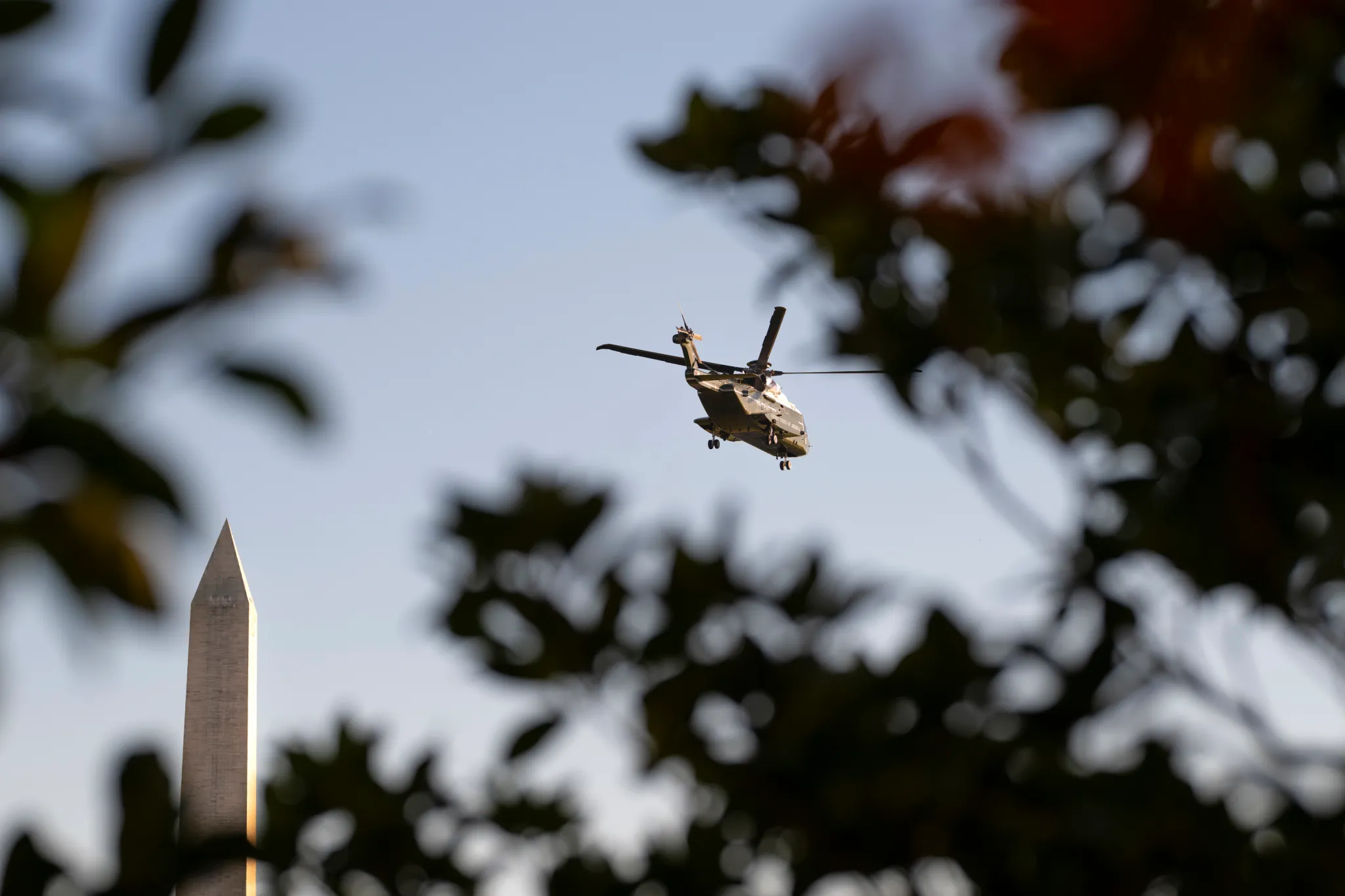
Democratic control of Congress opens new ways to scrutinize the war and shape military spending. Yet those powers have limits, including presidential vetoes and the difficulty of building the bipartisan majorities needed to override them. An election result alone does not deliver a ceasefire.
That is why the choices ahead matter for lawmakers of both parties. Americans who care about the human cost can ask their representatives plain questions:
- What concrete steps will help end the fighting?
- How will humanitarian aid reach the people who need it?
- How will harm to civilians be investigated, whoever is responsible?
- How will the United States keep supporting human rights after the war leaves the headlines?
Peace must make room for freedom
A ceasefire would be welcome news. No civilian should have to endure violence while governments negotiate a wider settlement.
But for many Iranians, danger does not begin or end with foreign military action. Amnesty International documented intensified repression by Iranian authorities during and after the 2025 conflict with Israel, including arrests and restrictions on communications. In October, UN experts urged Iran to immediately halt all executions, warning that the death penalty is being used to silence dissent and raising concerns about torture, forced confessions, and unfair trials. The rights group HRANA counted at least 2,003 executions between October 2025 and October 2026, a rise of about 29% over the previous year.
The same UN Fact-Finding Mission that criticized Iranian authorities also urged both Iran and the United States to cease violations immediately and to provide reparations to victims. We agree on the principle: protecting civilians and seeking accountability should apply to every government and armed force, without exception.
We support ending hostilities together with sustained efforts to free people imprisoned for peacefully exercising their rights, to halt executions, and to pursue accountability for abuses. Diplomacy should advance these goals side by side, and concern for human rights should stay on the table long after a ceasefire.
Iranians must shape their own future
People in Iran hold a wide range of political views, priorities, and hopes. No foreign government can speak for all of them or decide on their behalf.
Our commitment is to their freedom to make those choices themselves: to debate, organize, express their beliefs, and choose their government democratically, without fear. Women, young people, workers, and marginalized communities must have real opportunities to take part by voting, or by seeking office themselves.
As Washington weighs its next steps, we urge policymakers to listen to independent Iranian civil society and to judge policies by their effect on people’s safety, livelihoods, and freedoms. Ending the war and supporting Iranians’ right to determine their own future can, and should, move forward together.
Staying engaged after Election Day
United for Iran was founded by Iranian activists and former political prisoners. Through technology, human rights documentation, and practical support for civil society, we work toward an Iran where everyone can live with dignity and take part freely in public life.
That commitment does not change with who holds power in Washington. If you are looking beyond the headlines, you can help: stay informed, ask your elected officials to put civilian lives and human rights first, and support the people working for a more open and democratic Iran.
Stay connected by following United for Iran or supporting our work.