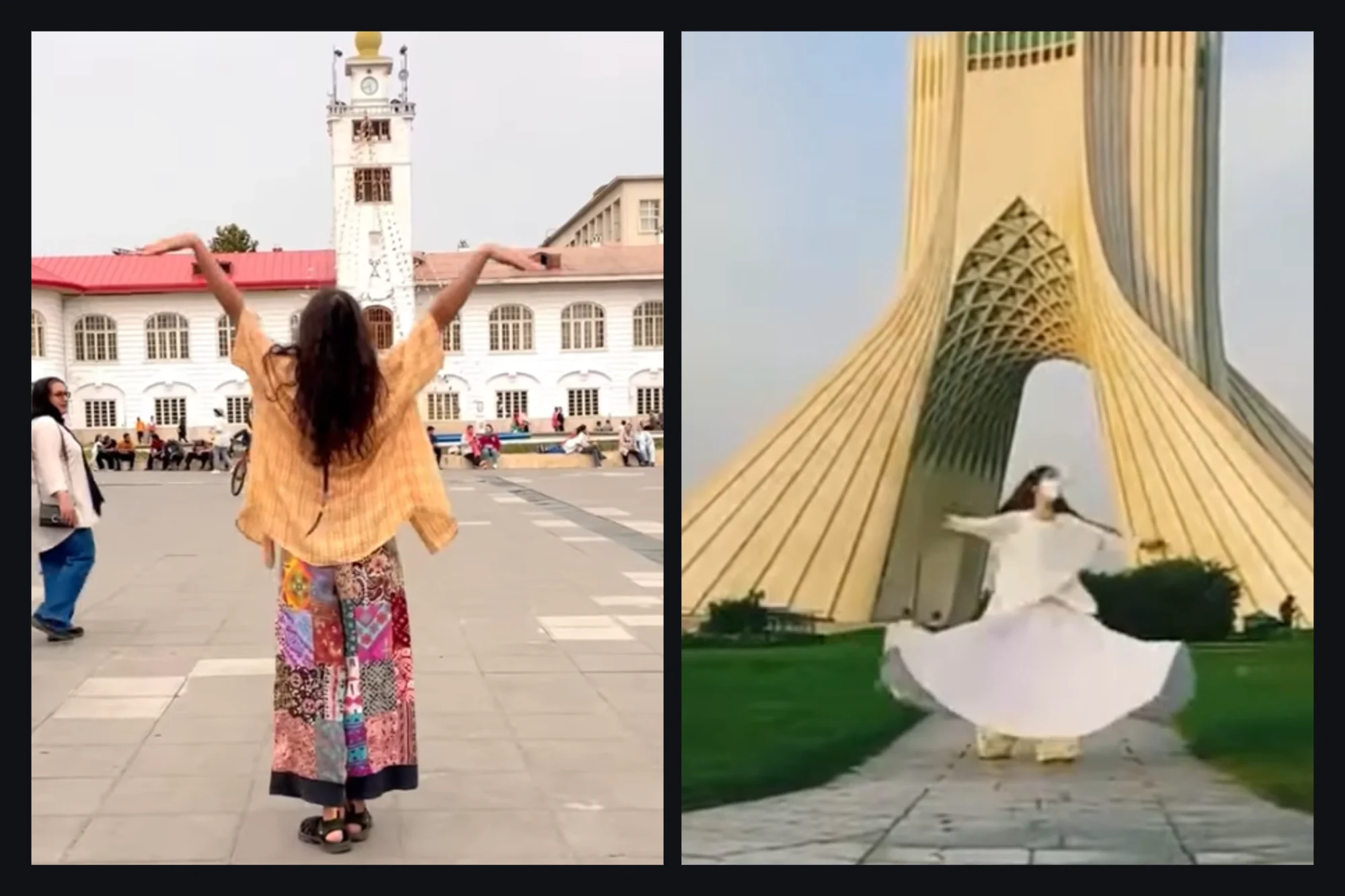
Ever since military conflict erupted on February 28, 2026, international news coverage regarding Iran has centered heavily on military strikes and tensions in the Strait of Hormuz. Yet beneath these loud headlines, a more subtle narrative unfolds: using camera lenses, spray cans, musical instruments, and their physical presence, young Iranians continue to stand up for life.
Dancing as defiance
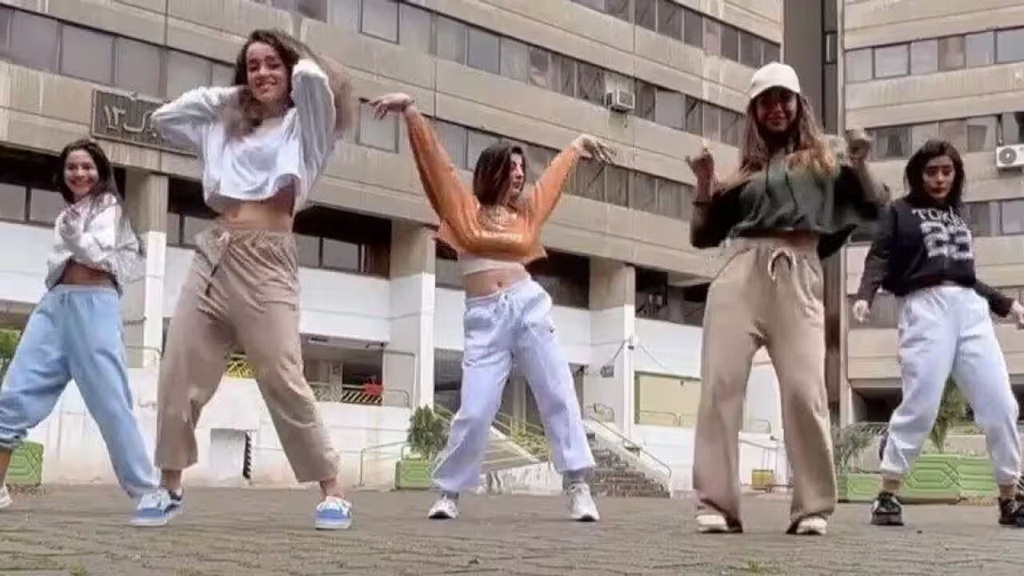
Public expression through dance remains strictly prohibited for women across Iran, carrying grave consequences. Authorities detained two young women early in 2025 after footage surfaced showing them performing at a Tehran war memorial. Similar crackdowns targeted a young couple whose viral performance at Azadi Tower led to reported sentences of over a decade in prison according to rights monitors, while state outlets reported five years. Despite these severe risks, recordings of spontaneous public dancing continue circulating online—turning ordinary moments of communal happiness into a profound rejection of intimidation.
Check out our Instagram reel celebrating the courage of these inspiring Iranian dancers
Walls that speak
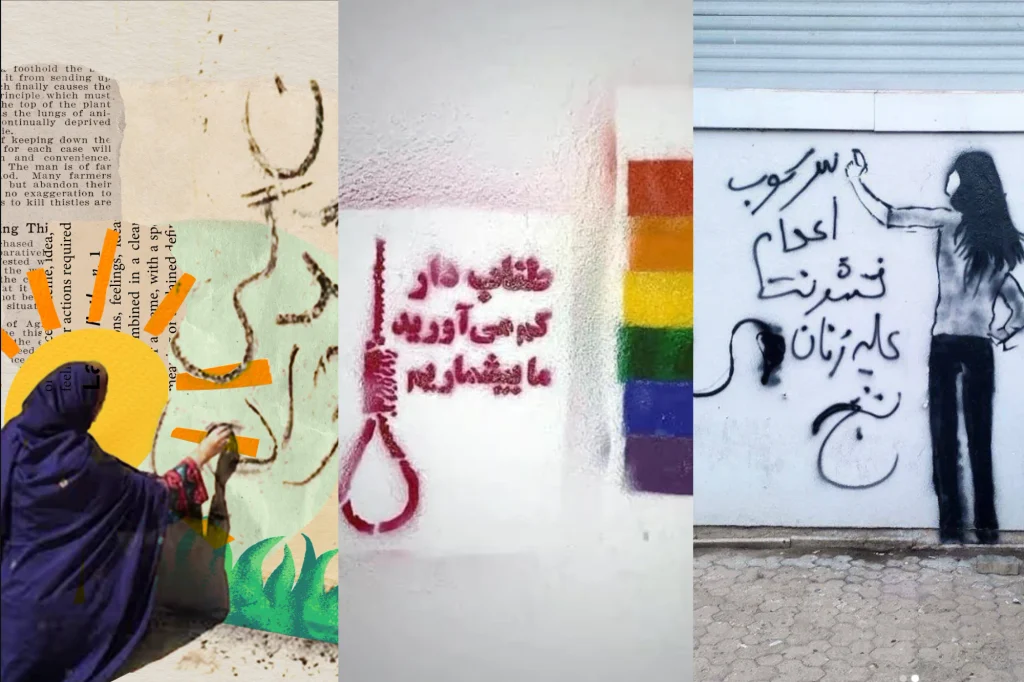
Following the death of Mahsa (Jina) Amini in morality police custody in September 2022, the slogan Woman, Life, Freedom quickly transformed urban landscapes across the country. Although state agents painted over the messages each evening, new phrases surfaced by morning, as demonstrators persistently returned to claim public spaces with art. A United Nations fact-finding panel ultimately determined that her passing was unlawful and caused by physical force while in detention, while Iranian human rights officials rejected the panel’s objectivity.
In Tehran’s Ekbatan neighborhood, a creator named Shabah (“Ghost”) produced street art that municipal workers promptly removed. Years later, reporting from Index on Censorship highlighted how individuals—including an elderly woman in Tehran—continue venturing out after dark with paint, fully aware that municipal crews will erase their work before dawn.
See our Instagram feature highlighting the brave street artists advocating for democracy
Rap, film, and the courage to tell the truth
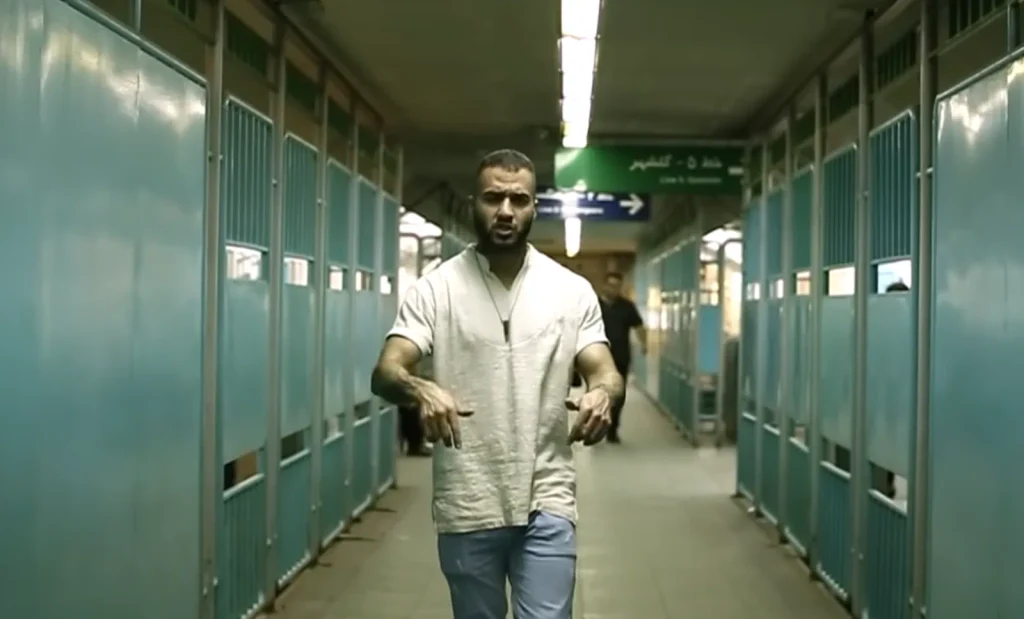
Musicians and filmmakers face immense pressure for their expression. Following his vocal advocacy for civic demonstrations, hip-hop artist Toomaj Salehi was detained in late 2022 and faced execution before Iran’s highest judicial body overturned the capital judgment, leading to his release in late 2024 following an additional sentence. Director Mohammad Rasoulof received an eight-year prison sentence accompanied by corporal punishment and asset seizure shortly before showcasing his work abroad, compelling him to depart the country. Similarly, acclaimed director Jafar Panahi was handed a prison term and travel restrictions, a judgment upheld upon appeal. Despite state censorship, these creative works continue to speak to global audiences.
Discover our Instagram post highlighting Iranian street music as a form of resistance
The price of expression
In the wake of the severe post-January crackdowns on public protests and amid the escalating war with Israel and the United States, Iranian security forces have been granted unprecedented authority to stamp out any form of visible artistic defiance. In September 2026, judicial authorities confirmed vocalist Parastoo Ahmadi’s corporal punishment order of 74 lashes after she sang publicly without head covering. The preceding month, documentary photographer Yalda Moaiery revealed a decade-and-a-half confinement term handed down through an in absentia proceeding. Officials additionally commanded the seizure of her photographic gear and communication tools, alongside bans prohibiting creative engagements and digital platform posts. In statements given to Le Monde, she noted that prosecution materials referenced her visual documentation and international press commentary.
Beyond legal proceedings, cultural figures have paid with their lives during public rallies. According to findings from the Artists at Risk Connection, state security forces fatally shot sculptor Mehdi Salahshour in Mashhad on January 8, 2026, followed by the fatal shooting of director Javad Ganji in Tehran twenty-four hours later. Additional monitoring details further casualties, including music instructor and violinist Sanam Pour Babayi alongside photographer Shokoufeh Abdi, amidst widespread detentions of cultural workers.
Such incidents underscore the compounding perils confronting Iran’s cultural creators: prosecution for live performances, judicial targeting for capturing daily realities, and fatal aggression against civic demonstration. Seizing technical assets and outlawing creative output further jeopardizes basic survival. While the bravery of those who persist in artistic defiance inspires global solidarity, safeguarding their physical safety, liberty, and rights to work remains paramount.
What Iranians are asking for
At United for Iran, we view creative expression neither as a call for external intervention nor as acceptance of authoritarian rule. As Toomaj Salehi noted that May, authorities leverage the “pretext of war” to stifle dissent while economic hardship worsens. UN rapporteurs similarly observed that people in Iran endure “lives lost to war and lives taken by their own State.” Across these diverse mediums, grassroot movement participants express a foundational desire: building a future defined by dignity, security, and self-determination for themselves and coming generations, rather than enduring perpetual violence, devastation, or state oppression.
Standing with those voices
While so much of the world’s conversation about Iran revolves around destroying its civilization and the fate of the Strait of Hormuz, United for Iran (U4I) is amplifying different voices. Through our social media, we echo the art and demands of Iranians building hope from within. Since 2009, U4I, a California-based, registered 501(c)(3) nonprofit, has supported Iranian civil society through technology, documentation, awareness-raising and capacity building, from the Iran Prison Atlas to the Nahoft encrypted messaging app.
Join us in this effort. Follow U4I, share these stories, and donate here. Your contribution helps guarantee that Iran’s painters, dancers, filmmakers, and musicians do not stand alone.
Though murals are painted over and videos removed, the longing for life, freedom, and a peaceful tomorrow cannot be extinguished. Help ensure their voices continue to be heard.